Why the Nothing Phone 3 Failed: A Flagship Price Doesn’t Make a Flagship Phone
5 min read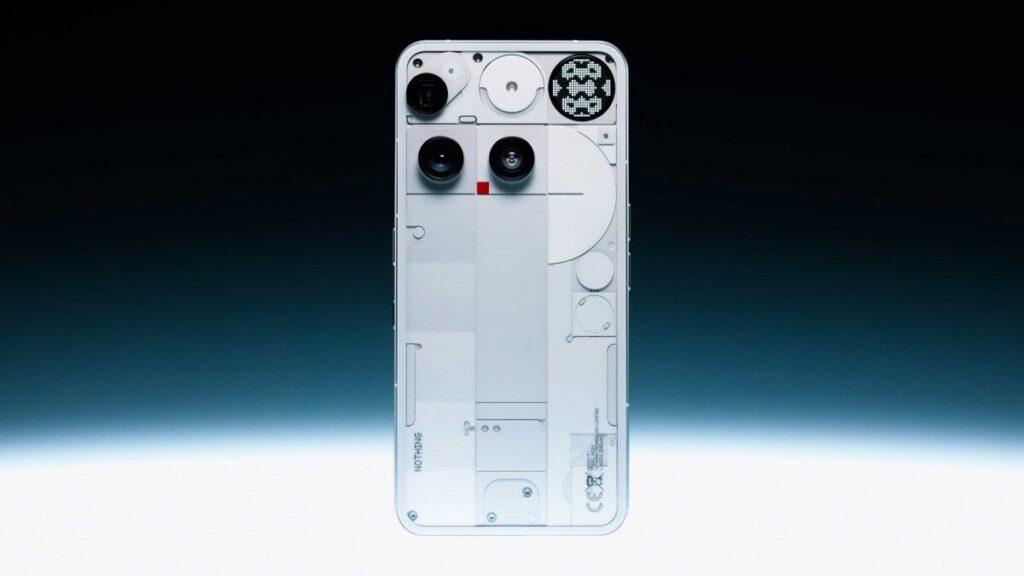
Nothing burst onto the smartphone scene with bold promises of disrupting the status quo, bringing transparency to tech, and creating phones that would make users think differently about mobile devices. With the Nothing Phone 3, priced at a hefty $799 (₹79,999 in India), the company positioned itself to compete directly with Samsung and Apple flagships. However, what should have been Nothing’s triumphant entry into the premium market has instead become a cautionary tale about how high prices don’t automatically translate to flagship quality.
The Community Speaks: A Design Disaster
The backlash from Nothing’s own community has been particularly damning. One community member expressed their frustration, asking “Did a 5 year old drew this? Did Nothing fire all of their designers?” This harsh criticism reflects a broader sentiment among users who felt betrayed by the company’s design choices.
The Phone 3 has been “mired in controversy among the same customers who rallied behind the company’s past products,” according to Bloomberg, highlighting just how far Nothing has strayed from what made their earlier devices appealing.
The Glyph Interface: From Innovation to Regression
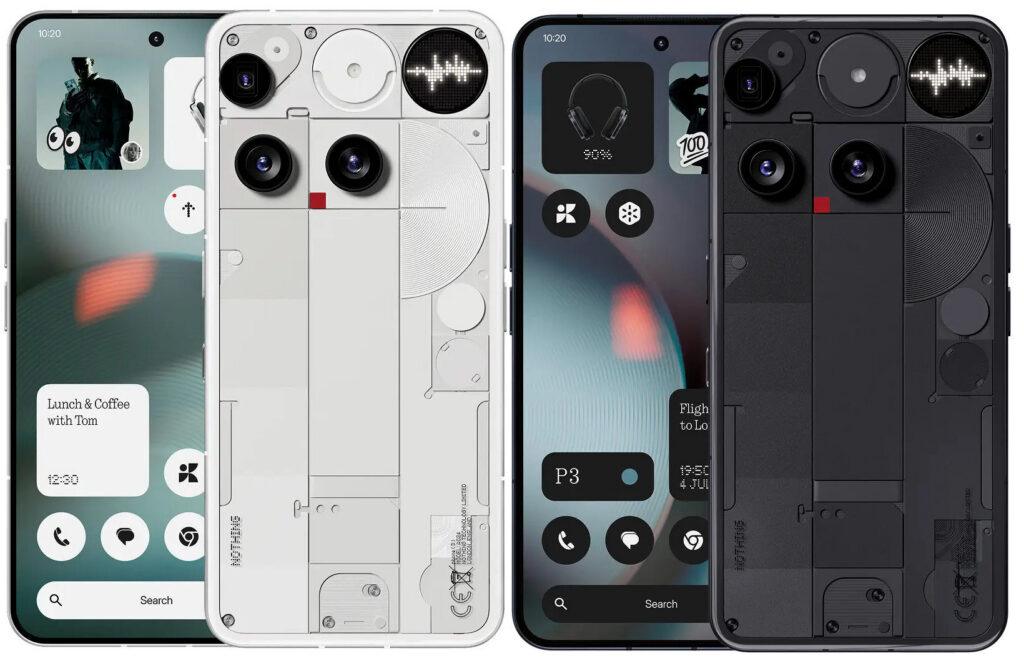
One of Nothing’s most significant missteps was abandoning what made their phones unique in the first place. The iconic Glyph interface, which provided intuitive light-based notifications, has been replaced with what users describe as a confusing dot-matrix screen. As one frustrated user put it: “at least if you wanna kill the Glyph Interface make the damn screen bigger, too small for something useful. Wow some random patterns and icons that no user is gonna know what it means.”
The new Glyph Matrix feels like innovation for innovation’s sake rather than meaningful improvement. Reviews describe it as having an “ugly Glyph Matrix screen in the top right corner” with cameras that have “almost no alignment with one another.” The chaotic design may appeal to some, but it alienates the core fanbase that fell in love with Nothing’s originally clean, purposeful aesthetic.
Mid-Range Specs at Flagship Prices
Perhaps the most glaring issue with the Nothing Phone 3 is the disconnect between its premium pricing and mid-range specifications. Despite costing $799, the device makes several compromises that are unacceptable at this price point:
Processor Disappointment
The Phone 3 runs on the Snapdragon 8s Gen 4 chipset rather than the latest flagship Snapdragon 8 Gen 3. Reviews note that “you’d expect a more powerful processor at this price,” and this compromise becomes evident in real-world performance.
Thermal Management Issues
Performance testing revealed significant thermal problems, with the Phone 3 overheating during 3DMark’s Steel Nomad Light endurance test, reaching 56 degrees Celsius on the back of the device – “at least six” degrees higher than other 2025 flagships.
Camera Contradictions
In a particularly embarrassing oversight, the telephoto camera is actually “worse than the Nothing Phone 3a Pro, the mid-range” device. When your flagship’s camera performs worse than your own mid-range phone, you’ve failed at basic product positioning.
Display Shortcomings
The device lacks “LTPO display” and “USB 3.0” – features that are standard in actual flagship devices. The screen protection uses “only Gorilla Glass 7i, which does not offer the best efficiency against impacts and scratches.”
Software and User Experience Problems
Camera software issues plague the user experience, with the resolution “inevitably resets to the lower resolution after a while with no warning, so if you’re walking around snapping photos along the way, you’re forced to” constantly adjust settings.
The overall software experience feels rushed and unpolished, lacking the attention to detail expected from a device positioned as a flagship competitor.
The Fundamental Misunderstanding of “Flagship”
Nothing seems to have fundamentally misunderstood what makes a flagship phone. It’s not just about having a high price tag or unique design elements – flagship devices must excel across all areas:
- Premium build quality and materials
- Cutting-edge performance and specifications
- Advanced camera systems
- Refined software experience
- Long-term software support
- Innovative features that enhance usability
As Android Central aptly put it in their review: “A fantastic phone — just not a flagship.” The Nothing Phone 3 may be a decent mid-range device, but charging flagship prices for mid-range performance is a recipe for disappointment.
Market Reality Check
At ₹79,999 in India, the Phone 3 costs 38% more than typical regional pricing expectations. For this money, consumers can get genuinely flagship devices from established manufacturers that offer:
- Latest flagship processors
- Superior camera systems
- Better thermal management
- Proven software experiences
- Established customer support networks
The Customer Support Concern
Community concerns extend beyond the device itself, with users worrying about “Customer Support and Quality Control” based on experiences where friends’ “Nothing Phone’s breaking with Nothing doing absolutely.. well Nothing.” This raises serious questions about the company’s ability to support premium-priced devices long-term.
A Company Identity Crisis
Nothing’s journey from disruptor to disappointment reveals a company struggling with its identity. The community observation that Nothing has “more hardware engineers than software engineers” suggests resource allocation problems that manifest in the final product.
The company that once prided itself on transparency and user-focused design appears to have lost touch with both its values and its audience. As one user sarcastically noted: “Expected Nothing, from Nothing. No wonder why the company name is Nothing.”
The Verdict: A Flagship Failure
The Nothing Phone 3 represents everything wrong with modern smartphone marketing – a device that mistakes high pricing for premium positioning. By abandoning the innovative features that made their earlier phones special while charging flagship prices for mid-range specifications, Nothing has alienated their core fanbase without attracting new premium customers.
While the phone “commands attention like no other,” attention alone doesn’t justify an $800 price tag. In a market where actual flagships offer superior performance, cameras, build quality, and software experience at similar prices, the Nothing Phone 3 fails to provide any compelling reason for consumers to choose it over established alternatives.
The lesson here is clear: just because you price something like a flagship doesn’t make it one. True flagship devices earn their premium positioning through excellence across all aspects of the user experience – something the Nothing Phone 3 conspicuously fails to deliver.
Nothing may have started with the promise of bringing something meaningful to the smartphone space, but with the Phone 3, they’ve delivered exactly what their company name suggests: nothing special at all.
What are your thoughts on the Nothing Phone 3? Have you experienced any of these issues firsthand? Share your experiences in the comments below.
About The Author